
In today’s trucking industry, compliance and efficiency go hand in hand. The use of an ELD device for trucks is now a federal requirement for most commercial drivers operating under Hours of Service (HOS) regulations. Beyond meeting legal obligations, ELDs help fleets improve accuracy, reduce paperwork, and maintain safer operations. In this guide, we’ll explain how ELD devices work, why they matter, and how Pacific ELD supports compliant and efficient fleet management.
What Is an ELD Device for Trucks?
An Electronic Logging Device (ELD) is a system that connects directly to a truck’s engine to automatically record driving time, engine hours, vehicle movement, and driver duty status. These records replace traditional paper logbooks and ensure accurate tracking of Hours of Service data.
ELD devices are regulated by the Federal Motor Carrier Safety Administration (FMCSA) and must meet specific technical requirements to be considered compliant.
Why ELD Devices Are Required
The FMCSA introduced the ELD mandate to improve road safety and reduce driver fatigue. By automating log tracking, ELDs prevent falsified or inaccurate records and help enforce consistent driving limits.
Key reasons ELDs are required include:
- Improved HOS compliance
- Reduced logbook errors
- Faster roadside inspections
- Increased accountability for drivers and carriers
Key Benefits of Using an ELD Device
Accurate and Automated Logging
An ELD device for trucks records data directly from the engine, eliminating manual entries and reducing compliance violations.
Simplified Inspections
During roadside inspections, drivers can quickly present electronic logs in a standardized format, reducing delays and stress.
Better Fleet Visibility
Fleet managers gain access to real-time log data, making it easier to monitor compliance and address issues proactively.
Reduced Administrative Work
Digital logs are easier to store, review, and submit during audits compared to paper records.
Features to Look for in a Compliant ELD
When choosing an ELD device, fleets should prioritize:
- FMCSA registration and certification
- Easy-to-use driver interface
- Reliable engine data synchronization
- Secure data storage and transfer
- Ongoing system updates and support
These features ensure long-term compliance and usability for both drivers and fleet managers.
How Pacific ELD Supports Trucking Fleets
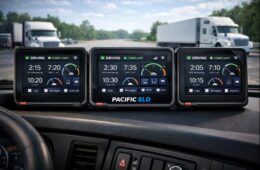
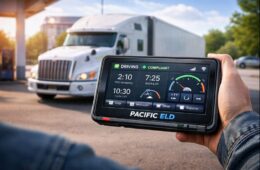
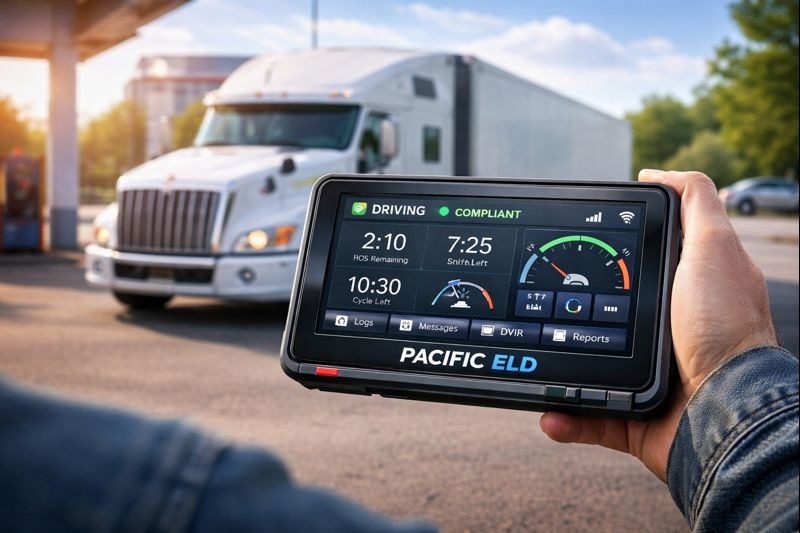
Pacific ELD is designed to help carriers meet FMCSA requirements while keeping daily operations simple. The system automatically records driving activity, displays real-time HOS information, and helps drivers stay aware of their available hours.
For fleet managers, Pacific ELD provides organized digital records and reporting tools that make compliance management more efficient. Its user-friendly design helps reduce driver training time and encourages consistent usage.
ELD Exemptions to Be Aware Of
While most drivers must use an ELD device for trucks, some exceptions may apply, including:
- Short-haul drivers within specific mileage limits
- Drivers who maintain paper logs for a limited number of days
- Vehicles manufactured before certain model years
Carriers should always confirm exemption eligibility under current FMCSA regulations.
Conclusion
An ELD device for trucks plays a critical role in maintaining compliance, safety, and operational efficiency in today’s trucking industry. By automating Hours of Service tracking and simplifying inspections, ELDs help fleets avoid violations and focus on productivity.
Choosing a reliable solution like Pacific ELD ensures your fleet stays compliant while benefiting from clear visibility, accurate logging, and streamlined recordkeeping.